When Therapy Doesn’t Feel Like Therapy: Walk and Talk Counselling for Men
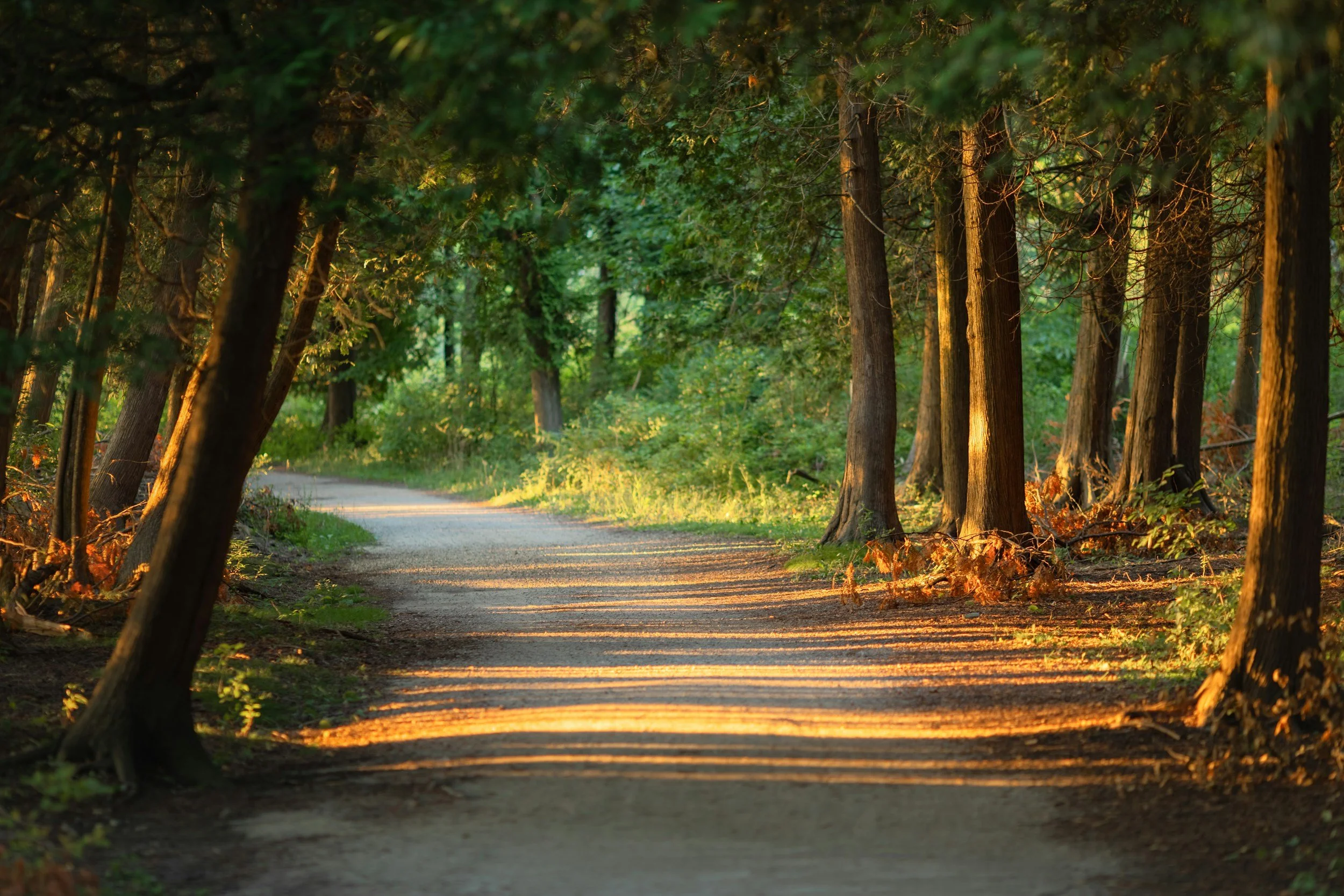
Walk and talk therapy is a counselling approach combining movement, conversation, and time in nature. For many men, walking side by side in local parks or nature reserves makes it easier to talk openly, regulate emotions, and engage in therapy without the pressure of a traditional clinical setting. Sessions typically take place in local Brisbane parks and nature reserves, particularly across Brisbane’s South Side.
Why Walk and Talk Therapy Works for Many Men
For many men, the idea of sitting face-to-face in a room, talking about personal or emotional things can feel uncomfortable, unnatural, or even intimidating. Not because men don’t want support — but because the setting itself can get in the way.
Walk and talk therapy offers a different way of approaching counselling. Instead of sitting across from one another in a clinic room, sessions take place side-by-side while walking through local parks or nature reserves. For a lot of men, this simple shift changes everything.
Fewer artificial distractions, more natural focus
When you’re walking outdoors, the usual distractions of modern life drop away. There’s no phone in your hand, no clock on the wall, no clinical room to sit in. The focus isn’t fixed on the therapist — it’s shared with the environment around you.
The distractions that do arise tend to be gentle and grounding: birds, trees, water, people walking their dogs, families exercising, sunlight filtering through leaves. These moments don’t pull attention away from the conversation; they often help regulate it.
Being in a space where people are doing positive, ordinary things for themselves and others subtly reinforces the sense that you’re not “broken” — you’re just another person working and walking through life.
Walking reduces pressure to “perform”
One of the most consistent things I notice is how much easier it becomes for men to talk once the walk begins. Conversation flows more naturally when talking isn’t the primary task — walking is.
There are places to stop, sit, and pause along the way, but the session doesn’t feel like therapy in the traditional sense. It often feels more like going for a walk with a mate, where conversation happens alongside movement rather than being forced into the spotlight.
That doesn’t mean the work is any less intentional or professional. It simply means the pressure to “say the right thing” or “do therapy properly” is reduced.
Movement supports emotional regulation
Walking creates a natural rhythm — breathing settles into a pattern, muscles engage, and the body stays active. This can interrupt the stress responses that often show up when sitting still and talking about difficult experiences.
For many men, movement helps prevent overwhelm before it builds. Thoughts and feelings still arise, but they’re less likely to flood the system because the body is already engaged in regulation through movement and breath.
There’s also something important about walking shoulder-to-shoulder rather than sitting face-to-face. Facing the same direction, moving together, subtly reinforces the idea of walking alongside someone, not being examined from across the room.
Less eye contact, less defensiveness
Sustained eye contact can be challenging when discussing personal or emotionally loaded topics. From an evolutionary perspective, face-to-face positioning can increase alertness or defensiveness, especially when vulnerability is involved.
Side-by-side walking reduces that sense of threat. Many men find it easier to be honest, transparent, and real when they’re not required to maintain constant eye contact. The conversation feels safer and less confrontational, even when the topics are difficult.
Nature adds another layer of support
Parks and nature reserves offer more than just a place to walk. Fresh air, natural sounds, sunlight, and reduced traffic noise all contribute to physical and emotional regulation.
There’s also a symbolic rhythm to walking sessions. Often the “uphill” part of the walk is where difficult topics emerge — starting the conversation, digging deeper, naming what’s been avoided. Turning around and heading back can feel lighter, more reflective, and more cathartic, as insights settle, solutions emerge, and possibilities open up.
Even when sessions touch on anger, sadness, frustration, or burnout, the combination of movement, breathing, nature, and shared direction helps keep emotions manageable rather than overwhelming.
Vulnerability, privacy, and trust
Working outdoors does require attention to privacy. At times, conversations pause briefly when others pass by. Rather than disrupting trust, this often strengthens it.
When clients see their privacy actively protected — not just promised — it reinforces safety and confidentiality in a very real way.
Shame thrives in isolation. Being outdoors, moving through public space, and seeing others engaged in everyday life can quietly counteract the belief that you need to hide or withdraw when things are hard and shame inducing.
Regulation for stress, ADHD, burnout, addictions, and anger
Movement and environment play a powerful role in emotional regulation. Walking can help reduce stress hormones, support mood, and regulate attention — particularly relevant for men living with ADHD, burnout, chronic stress, or addictions and vices of varying nature.
Burnout recovery often involves slowly rebuilding physical and mental capacity. Walking offers a simple, accessible way to do this while also engaging in meaningful therapeutic work.
Anger and overwhelm are also influenced by breath and bodily arousal. Walking naturally encourages rhythmic breathing, acting as a form of automatic regulation rather than another technique to “get right.”
A small but important detail: each session includes a bottle of water. Most clients finish it by the end of the walk. Hydration alone can make a meaningful difference to energy, mood, and clarity — especially when stress has been running high.
When walk and talk therapy isn’t the right fit
Walk and talk therapy isn’t for everyone, and that matters.
Some people prefer the predictability and privacy of an indoor setting. Others may feel uncomfortable in nature, have concerns about confidentiality, or be working through trauma that requires a more contained environment.
Sessions are flexible. Sitting, slowing down, or moving indoors when needed is always an option. Walk and talk therapy is not a rigid model — it’s one tool among many.
A final word if you’re unsure about counselling
Counselling doesn’t have to feel clinical, medicalised, or like something is “wrong” with you. For men living on Brisbane’s south side, outdoor sessions can be a practical alternative to travelling into a clinic room.
Walk and talk therapy offers a more natural, therapeutic conversation — one where you get to decide how the discussion unfolds and where it goes. The work happens alongside movement, in real environments, at a pace that fits you.
You don’t need everything figured out before starting. Sometimes, taking a step forward is enough.
Sessions are available in Brisbane parks, including the 4152 areas and surrounding suburbs.